Guardianes de la Conciencia
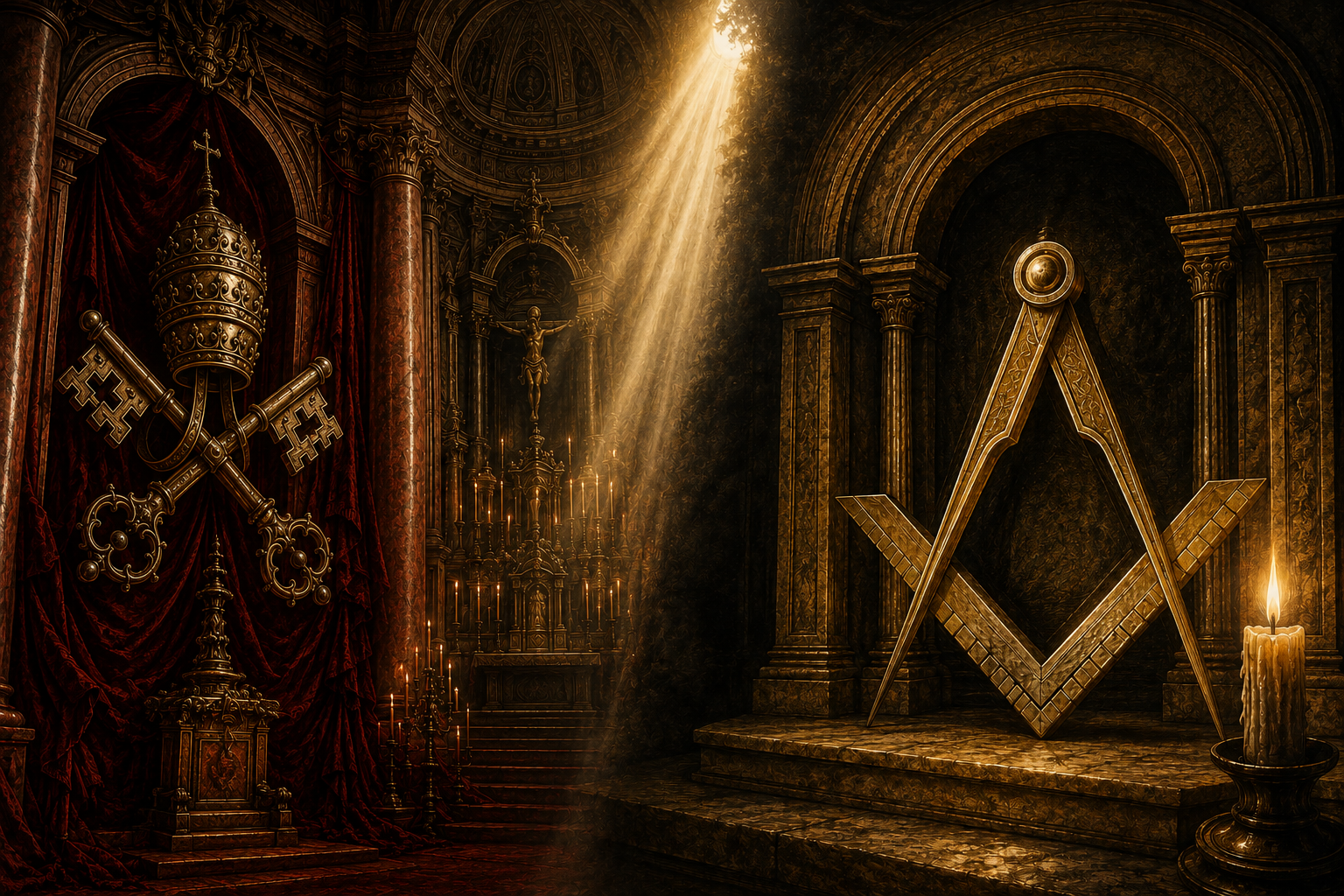
La Iglesia católica ha sostenido, a lo largo de toda su historia, ser el único camino entre el hombre y Dios, la única depositaria de la verdad y la mediadora necesaria del alma misma del hombre, y durante buena parte de su historia defendió esa posición con violencia. La francmasonería, sin haberse propuesto jamás oponerse a la Iglesia católica, hace algo que la Iglesia no puede tolerar. La masonería reúne como iguales a hombres buenos de toda fe y de todo país, y trata la conciencia de cada hombre como suya y de nadie más. Le devuelve el hombre a sí mismo y lo deja decidir qué es lo mejor para su propia alma. Esa, he llegado a creer, es la verdadera raíz de tres siglos de condena.

The Circle, Part 2: Caleb Cushing
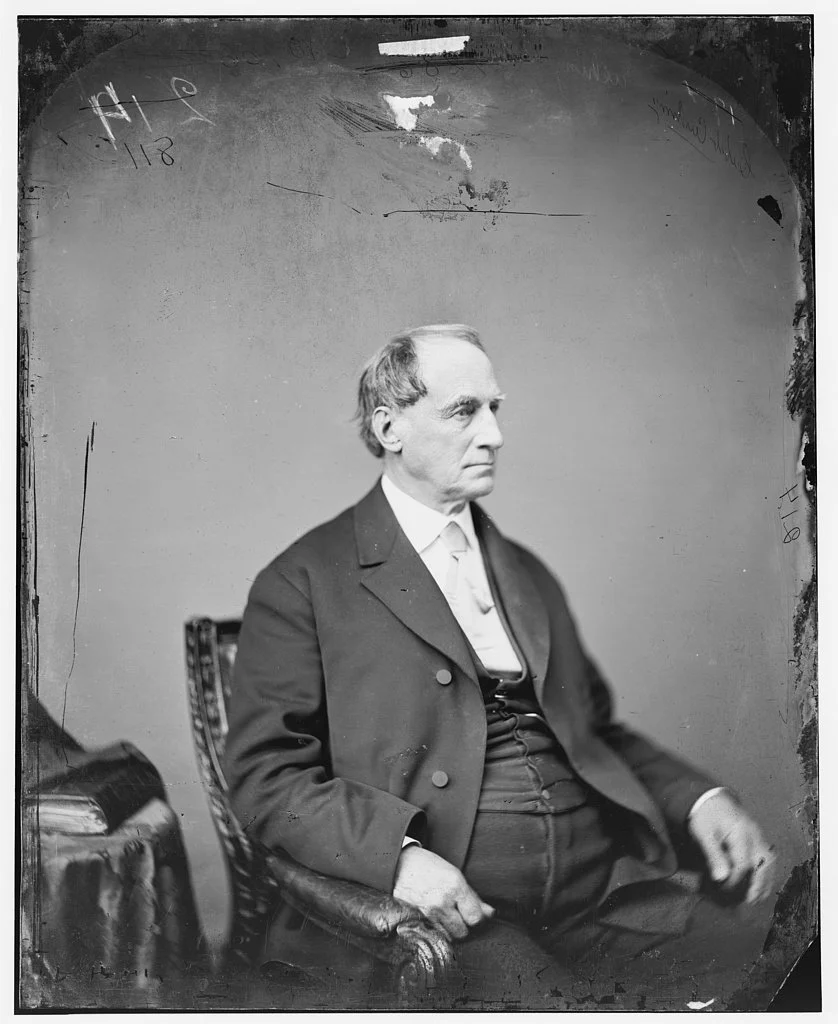
In the decades before the Civil War, critics used the term "doughface" to describe a particular kind of politician, a Northerner who served Southern interests. The word was coined by Virginia congressman John Randolph during the Missouri Compromise debates of 1820, mocking Northern representatives who voted with the South as men frightened by their own masks of dough. Webster's Dictionary defined doughfacism in 1847 as "the willingness to be led about by one of stronger mind and will." Historian Leonard Richards classified over three hundred congressmen as doughfaces in the period between 1820 and 1860, including two presidents, Franklin Pierce and James Buchanan, but if there were to be a textbook example of a doughface, it would Caleb Cushing of Newburyport, Massachusetts.
The Tucson Silverbell Artifacts: Part 3 - The Confession
If, and I did say if, the artifacts are a hoax then the question becomes: who made them, and why? Over the past century, several candidates have been proposed. Each has circumstantial evidence in their favor, and none has been definitively proven. The identity of the possible forger, remains, even now, an open question.
The Tucson Silverbell Artifacts: Part 2 - The Evidence
The single most compelling argument for the artifacts' authenticity has always been where they were found. Every object came from a depth of four to six feet below the surface, embedded in a layer of hardened caliche, a calcium carbonate deposit that forms naturally in desert soils over long periods of time. The caliche around the artifacts had molded itself to their shapes, leaving clear impressions in the matrix.
The Tucson Silverbell Artifacts: Part 1 - The Discovery
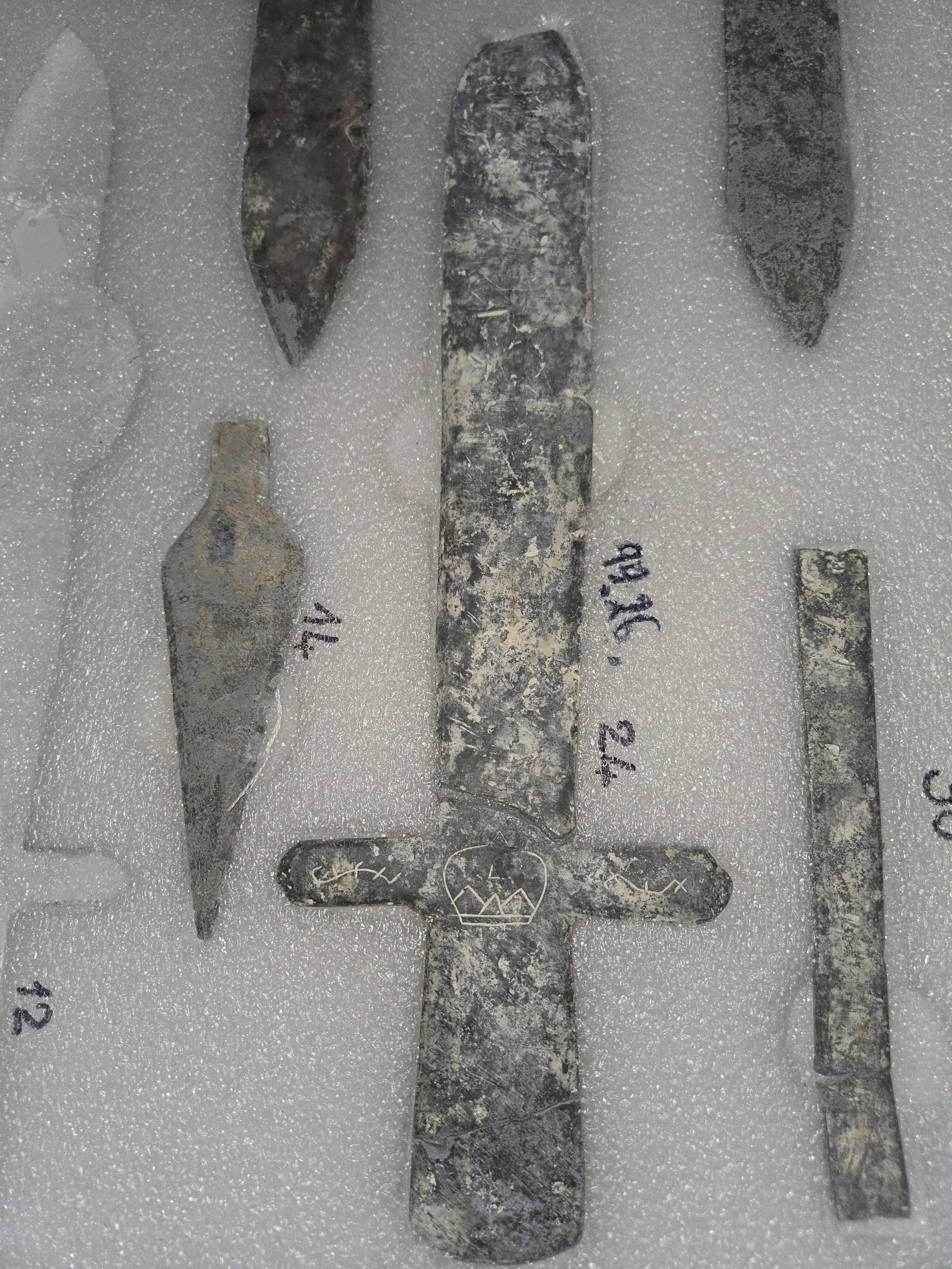
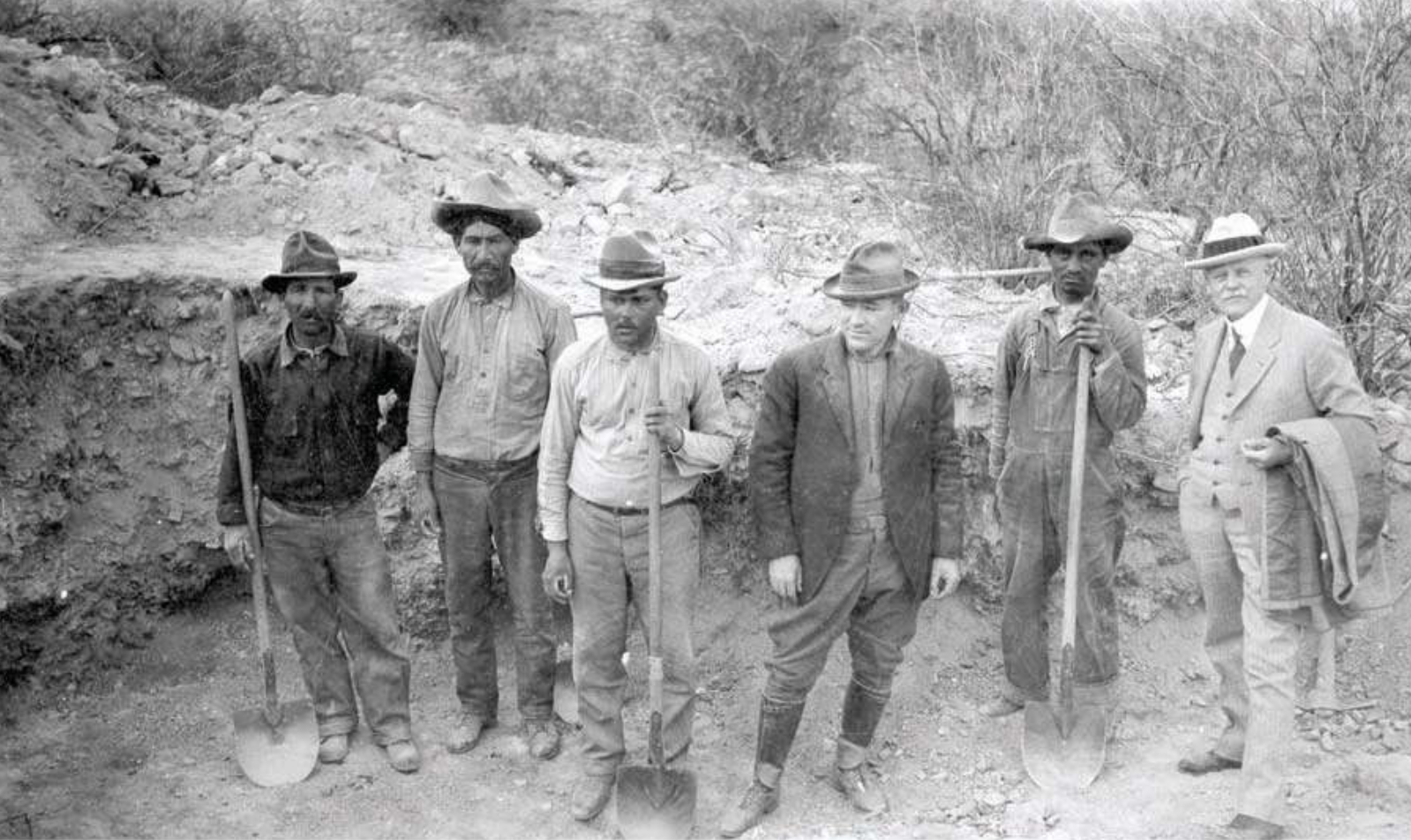
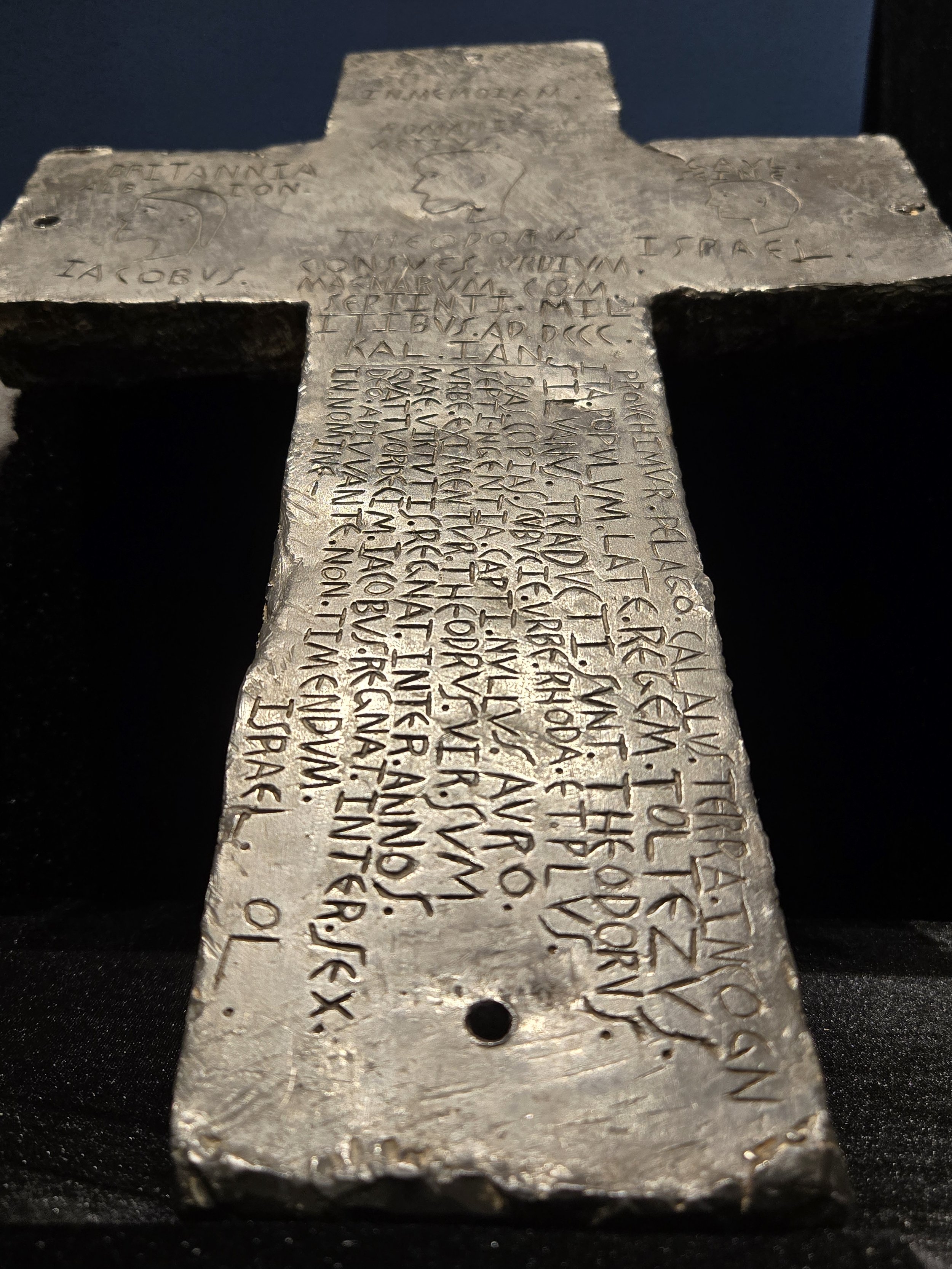
On September 13, 1924, Charles Manier and his family stopped to explore an abandoned lime kiln along Silverbell Road, near Tucson, Arizona. While poking around the weathered structure, Manier noticed something protruding from the hardened caliche. He pulled at it and finally freed a massive lead cross weighing over sixty pounds. What seemed like a curious roadside find would become one of the most debated archaeological discoveries in Arizona history. This is the story of the Tucson Artifacts.
The Circle, Part 1: Setting the Stage
In 1877, a Norwegian immigrant writing from San Francisco referenced “the movement”—a fifteen-year operation that had begun in Harlem in 1862 and was, by his account, nearing completion. He called it “the Circle.” This letter remained in archives for nearly 150 years before I encountered it.
Chivalric Symbols of Hermeticism & the Geometry of Time
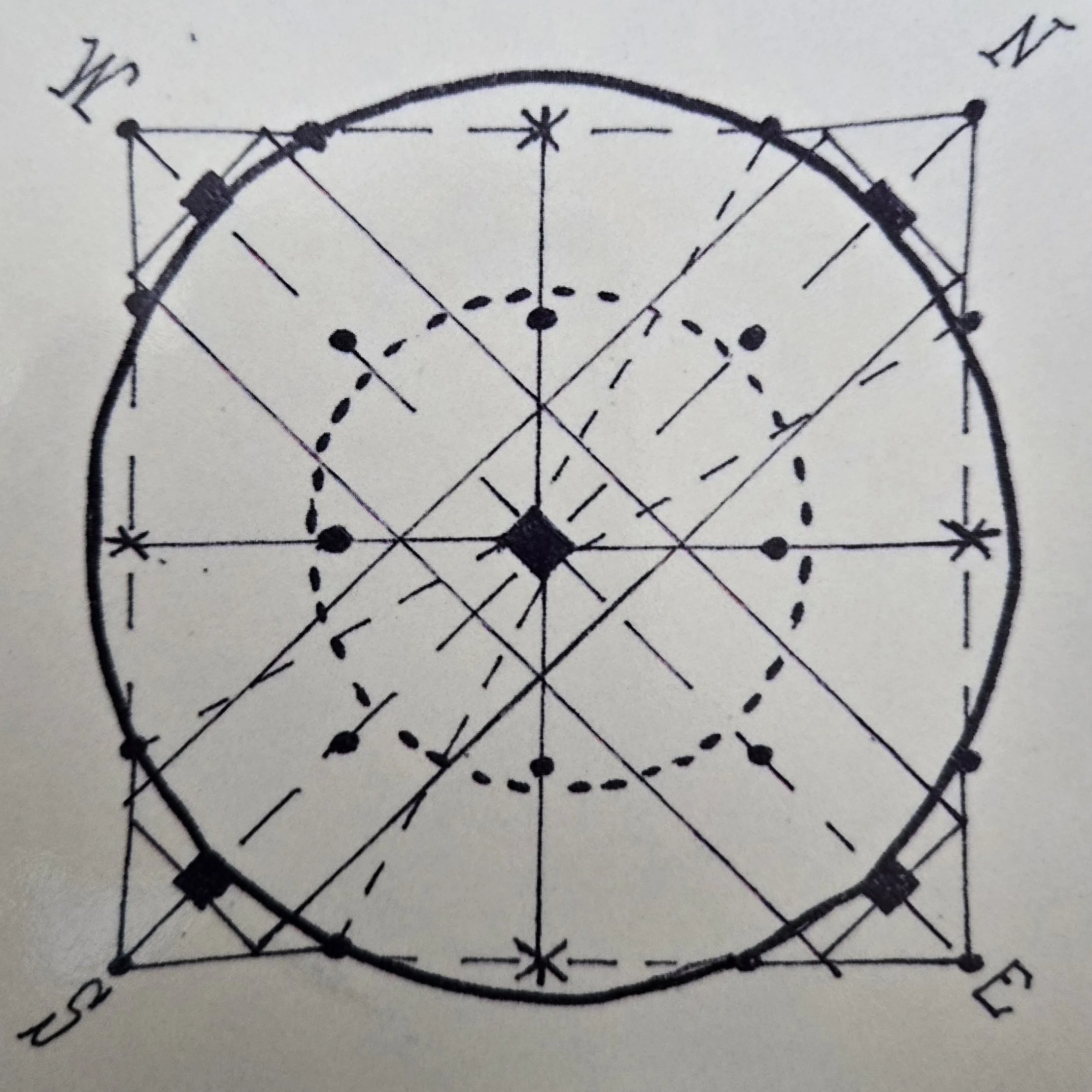
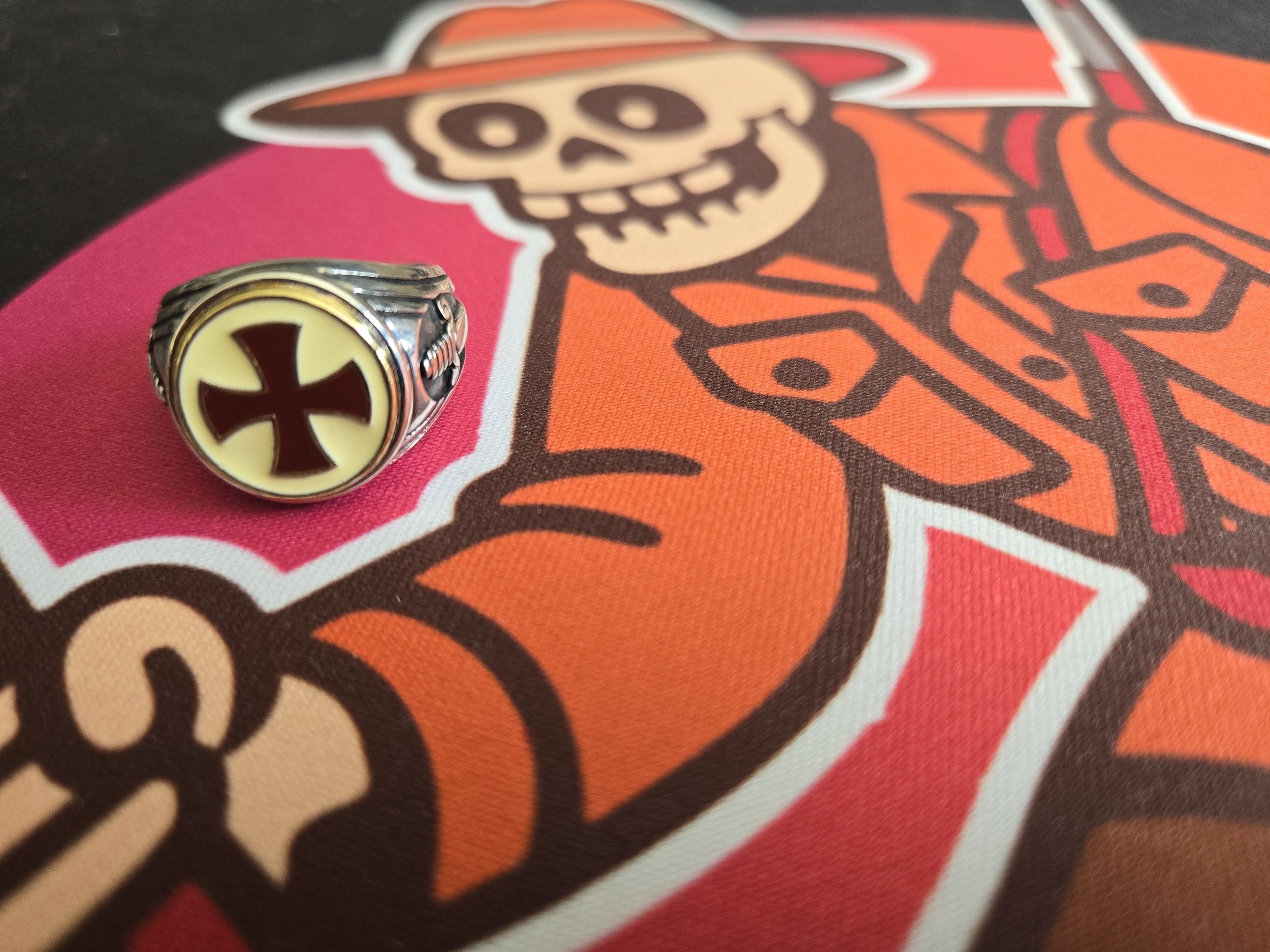
We are going to skip all the talk of Euclid and Pythagoras and jump straight to showing you geometrically how the Maltese and Templar crosses are inseparably interwoven with how we measure time.